

The Last Pattu
BY AAKASH GULZAR
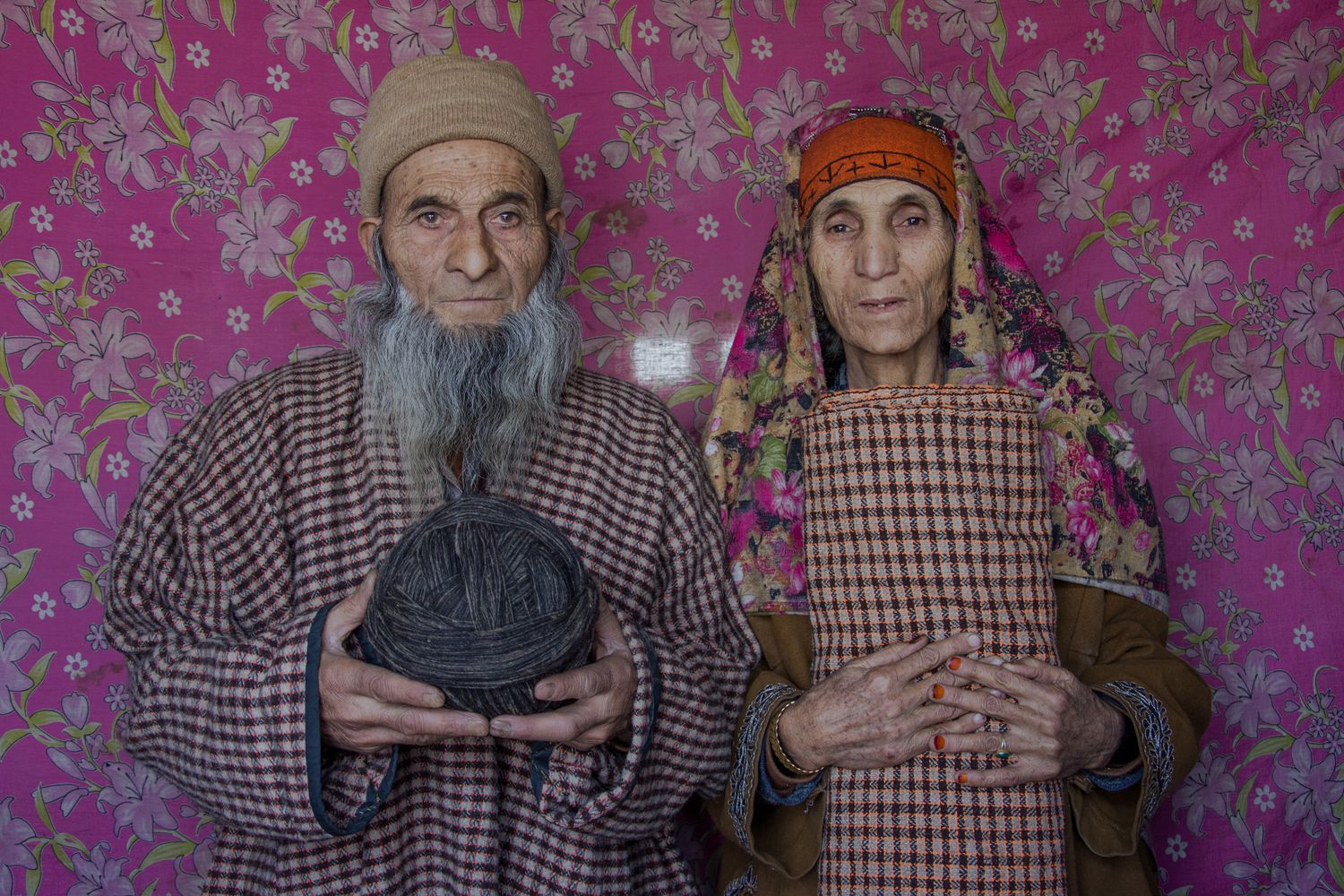
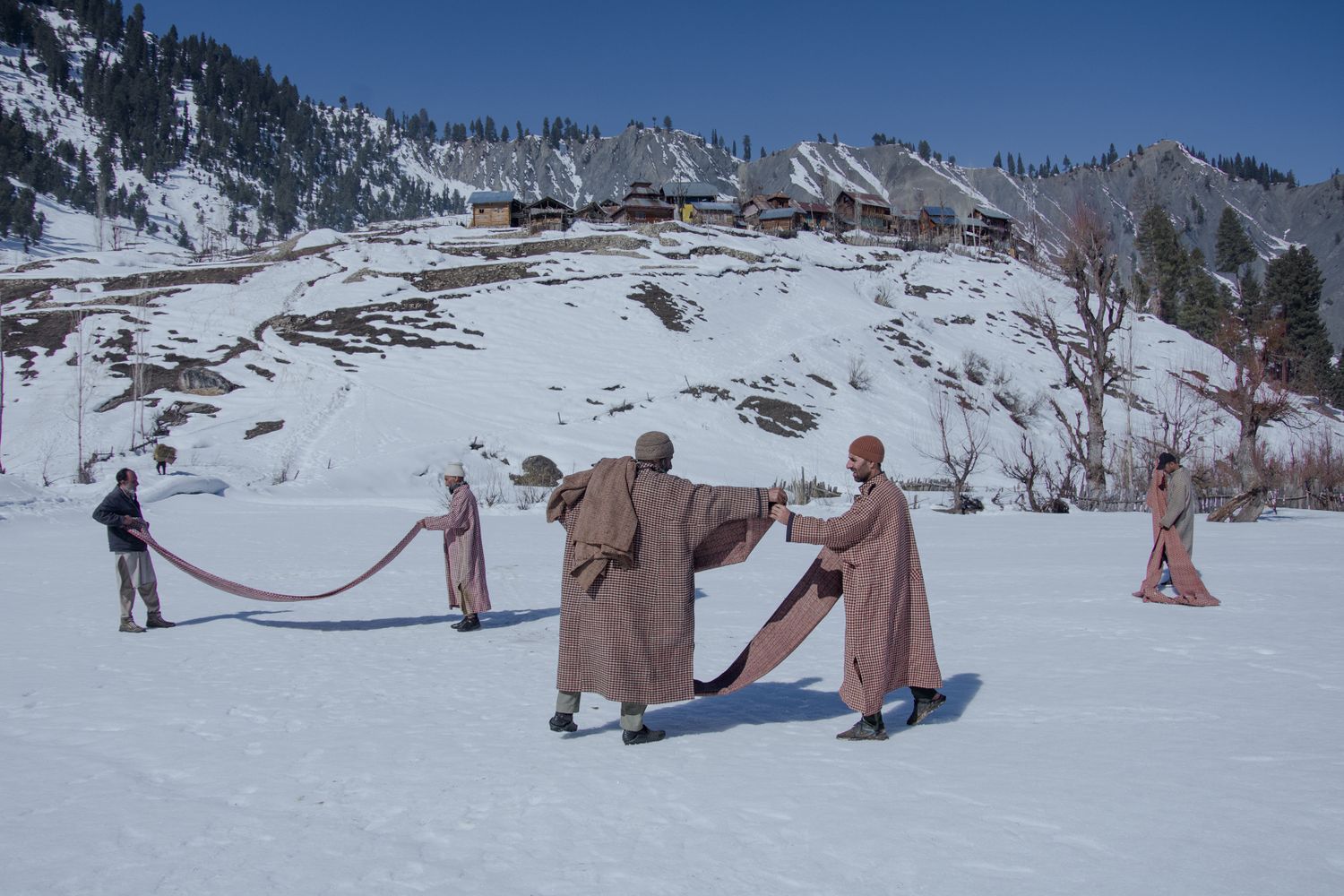
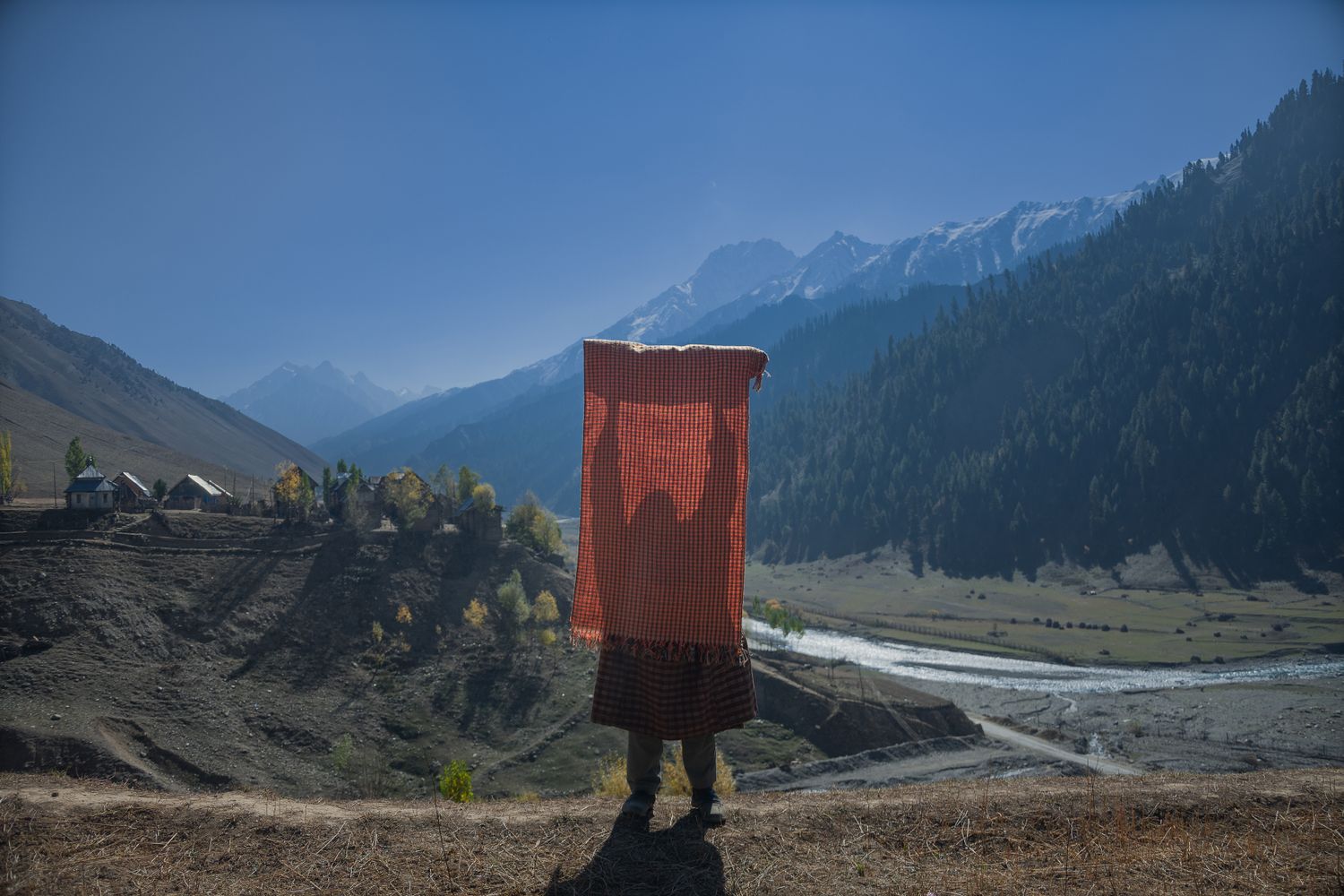
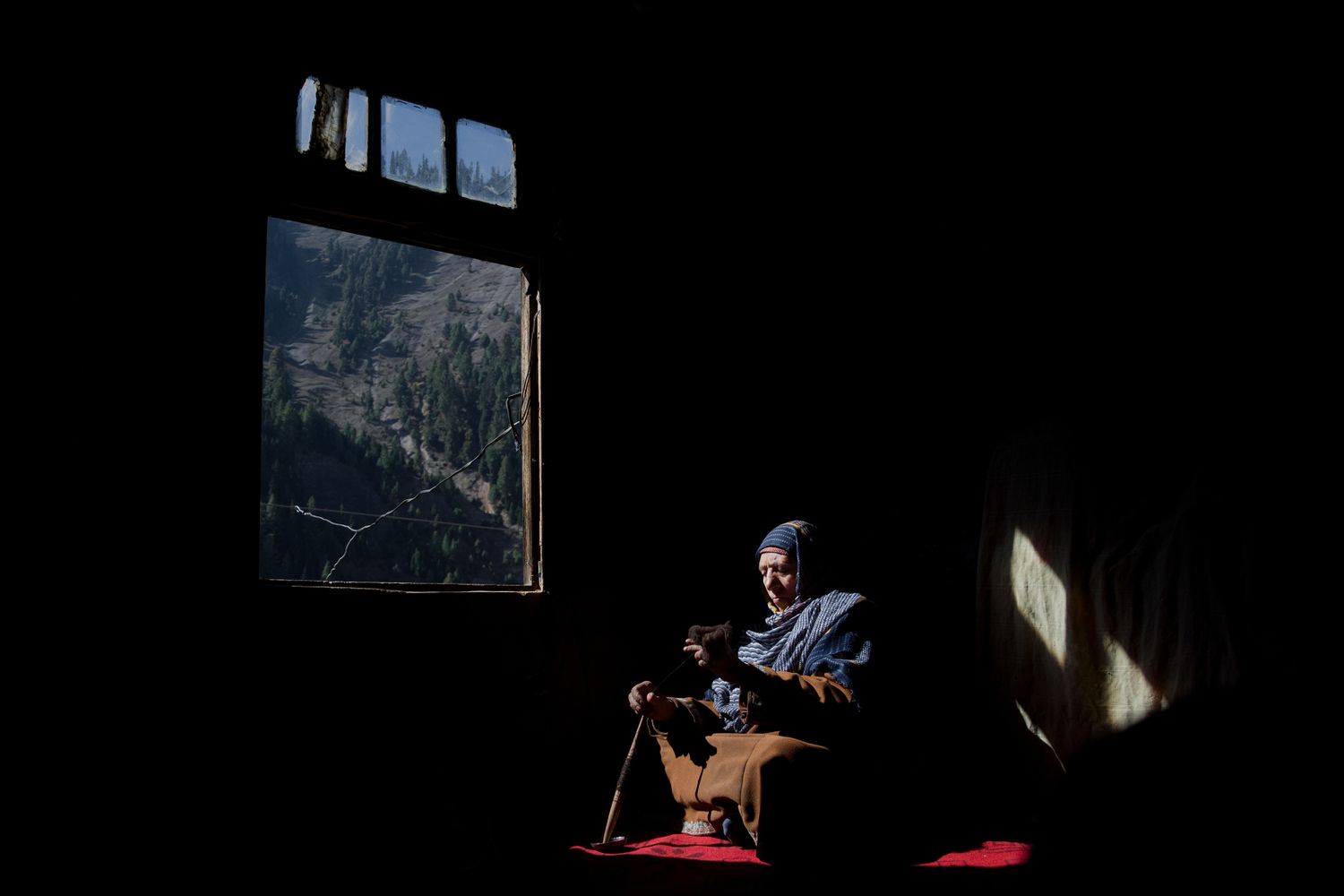
The Last Pattu, a collaboration between Ishtayaq Rasool, an indigenous journalist from the Dard-Shin tribe of Kashmir, and Aakash Gulzar, documents the disappearance of Pattu, the woollen textile of the Dard-Shin community in Kashmir’s Gurez and Tulail valleys, along the high-altitude Line of Control. The project traces the last living record of an indigenous ecological knowledge system, held by a Dard-Shin population of roughly 20,000 in Bandipora district, as it comes under mounting geopolitical and environmental pressure.
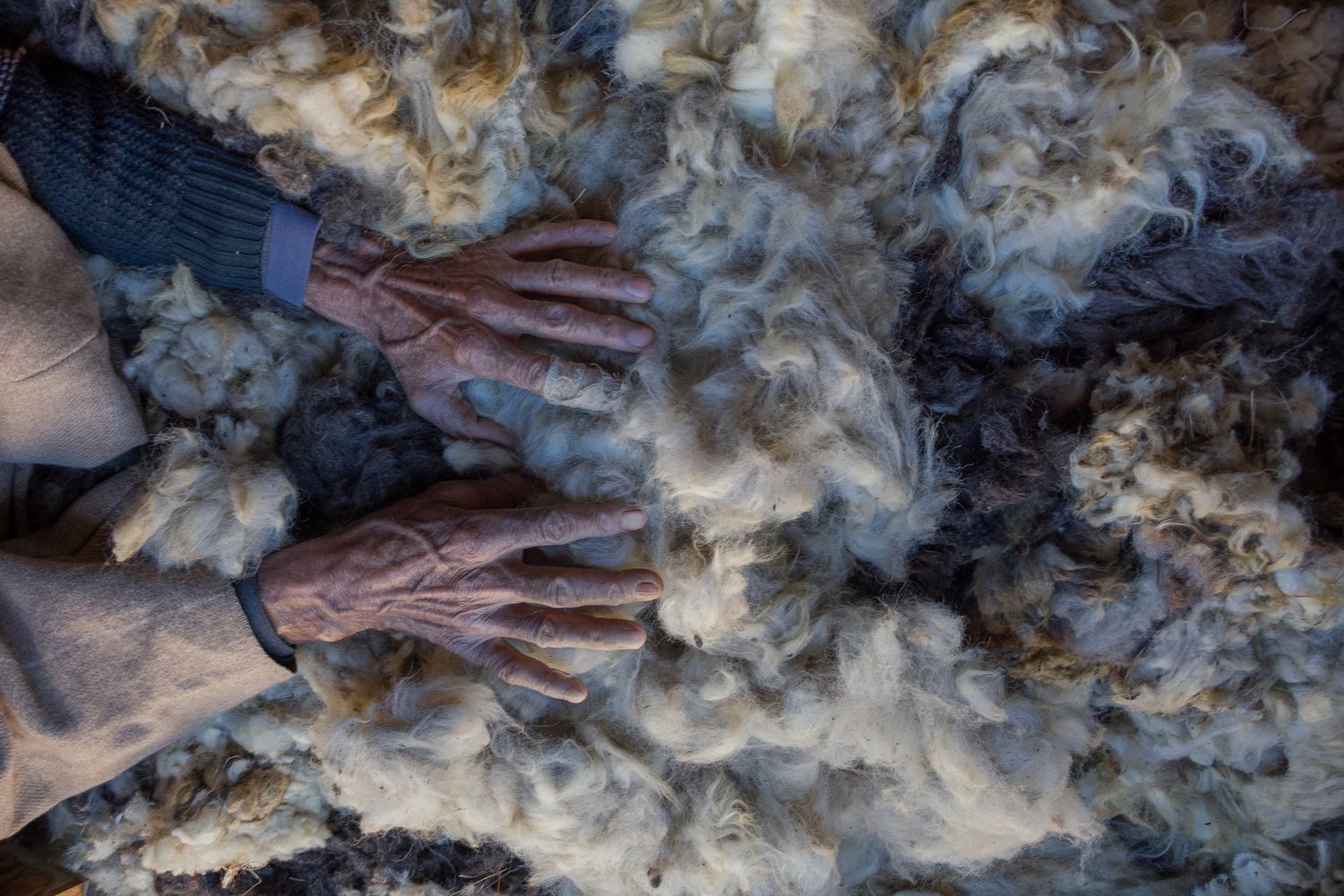
Pattu is a regenerative material system at its core: wool sheared from local sheep, hand-spun, and woven on wooden looms using knowledge passed down through generations of herders who worked with these mountains rather than against them. That system is unraveling. Local wool has grown scarce as pastures shrink and grazing cycles shorten, forcing families to buy wool from outside the valley or abandon the craft. Villages that once wove Pattu in nearly every household each winter now count only a handful of active weavers, the trade eroded by falling demand, migration, and a lack of institutional support.
Climate change is a measurable driver. The Kashmir Himalaya has warmed roughly 0.8°C over the past fifty years, with steeper warming and rainfall decline at higher elevations like Gurez, and the region has recently passed through nearly seven consecutive winters of scant snowfall. Disrupted grazing cycles have made migratory routes across the wider Himalayan pastoral belt shorter, less predictable, and more hazardous.
Militarization compounds this strain. Sitting directly along the LoC, Gurez remained largely closed to outsiders for some sixty years before opening to limited tourism in 2007, and civilian movement near the border is still tightly regulated. Proposed military infrastructure, including a field firing range, has drawn official warnings that it would further curtail grazing land for agro-pastoralist families already stretched thin, making land access as dependent on security policy as on weather.
Most remaining weavers are elderly, and youth continue to leave the valley. As pastures shrink and knowledge-holders age, Pattu risks disappearing within a generation. This project documents that loss while it can still be witnessed, preserving evidence of a regenerative textile model rooted in place, season, and inherited care for land, so that what is disappearing can still be understood, and perhaps carried forward.
WHAT ARE YOUR HOPES AND FEARS AS A YOUNG PERSON IN A TIME OF ECOLOGICAL CRISIS?
The project I’ve submitted sits at the intersection of ecological and cultural survival. Working alongside a community whose knowledge systems are deeply tied to the land, I’ve come to understand that protecting one is inseparable from protecting the other; you cannot preserve a pasture without the people who read its seasons, or a craft without the ecology that sustains it. My hope is that this generation forces a shift in how climate action is imagined, one that centres indigenous and borderland communities as knowledge-holders, not case studies. My fear is that platforms and policies continue to speak about these communities instead of with them, and that by the time institutions catch up, the knowledge itself will be gone. I don’t ask much of policy-makers beyond this: fund adaptation at the community level, and trust local expertise as much as scientific data. My own practice is modest by comparison, patient documentation, long-term presence, and a refusal to extract stories quickly. Art’s role, as I see it, is to hold complexity that policy often flattens. My work doesn’t offer solutions; it offers evidence and testimony, a way of making sure these lives and losses are seen clearly before decisions are made about them. That, to me, is where art and ecological justice meet.