As the climate crisis accelerates, Indigenous voices are essential to rethinking our relationship with the natural world. Across the Ecuadorian Amazon, Indigenous communities have long sustained ways of living rooted in reciprocity, interdependence, and ecological care.
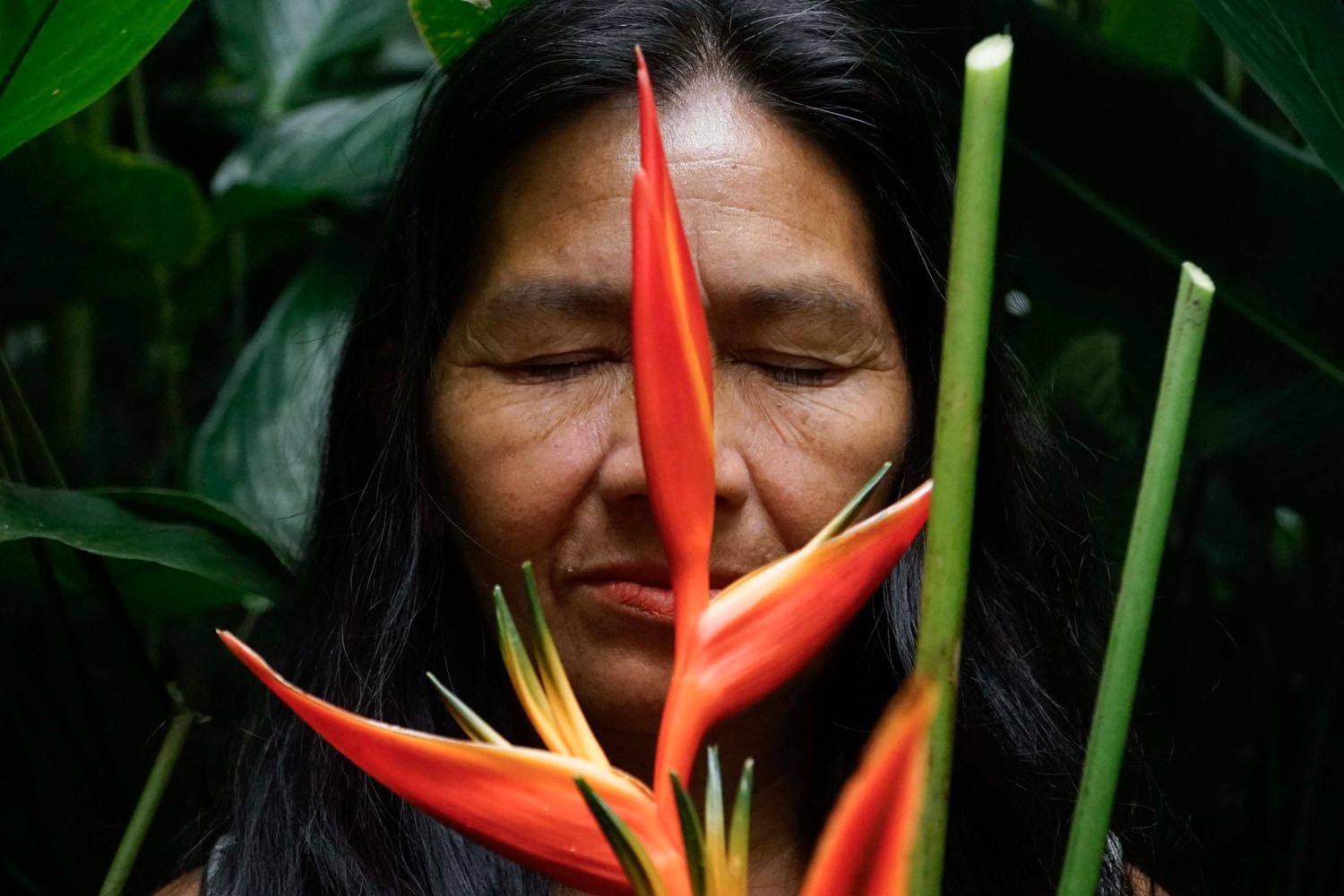
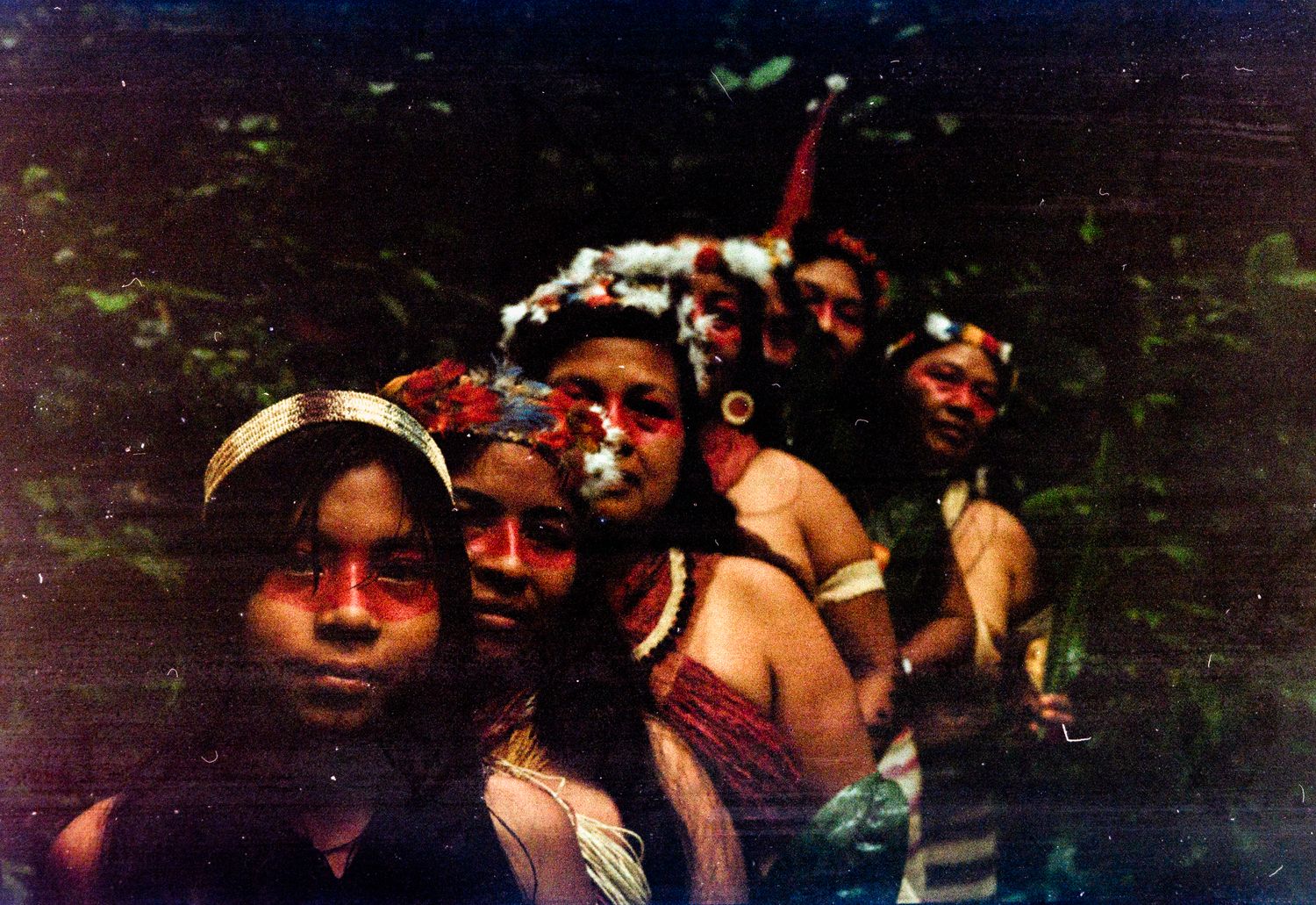
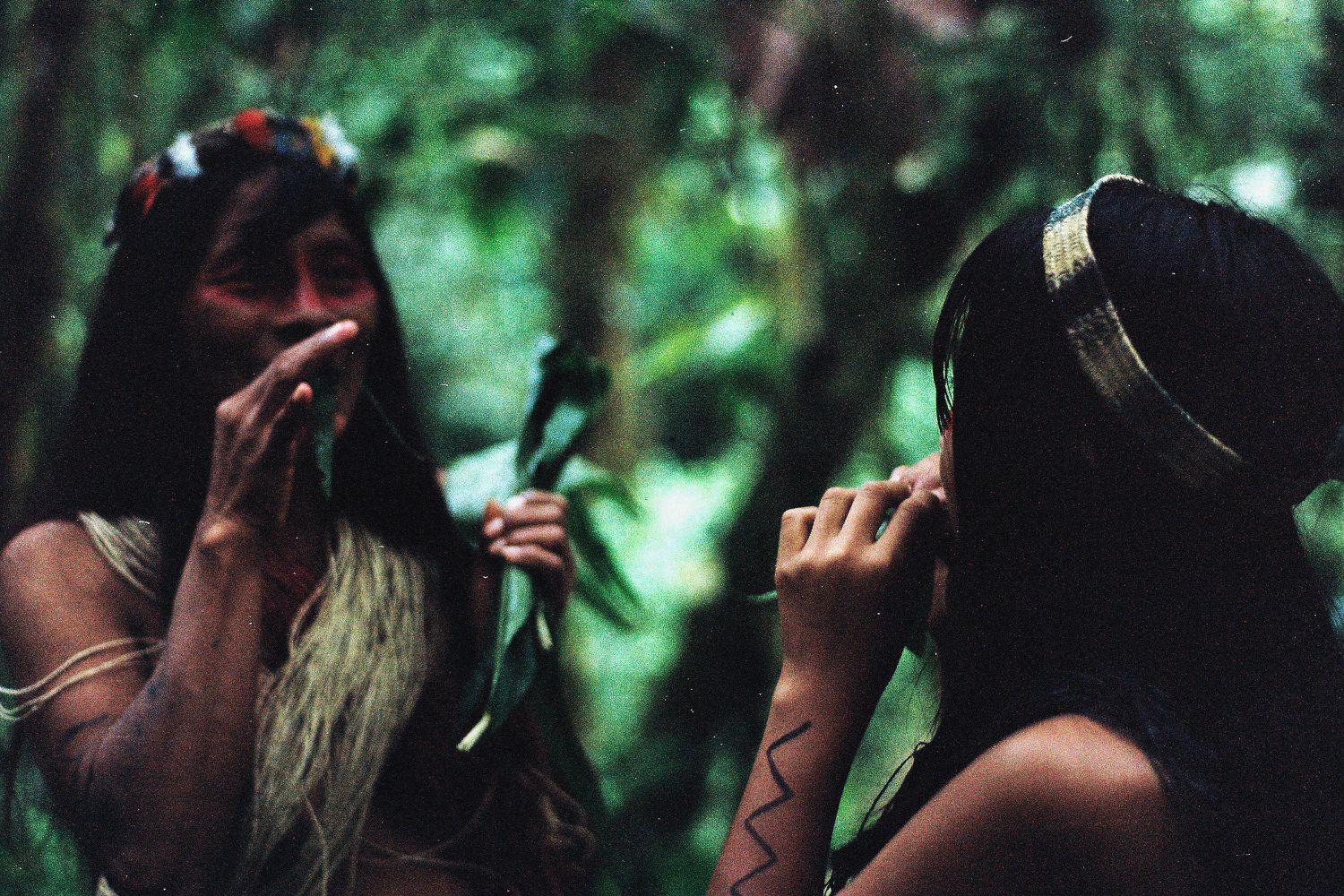
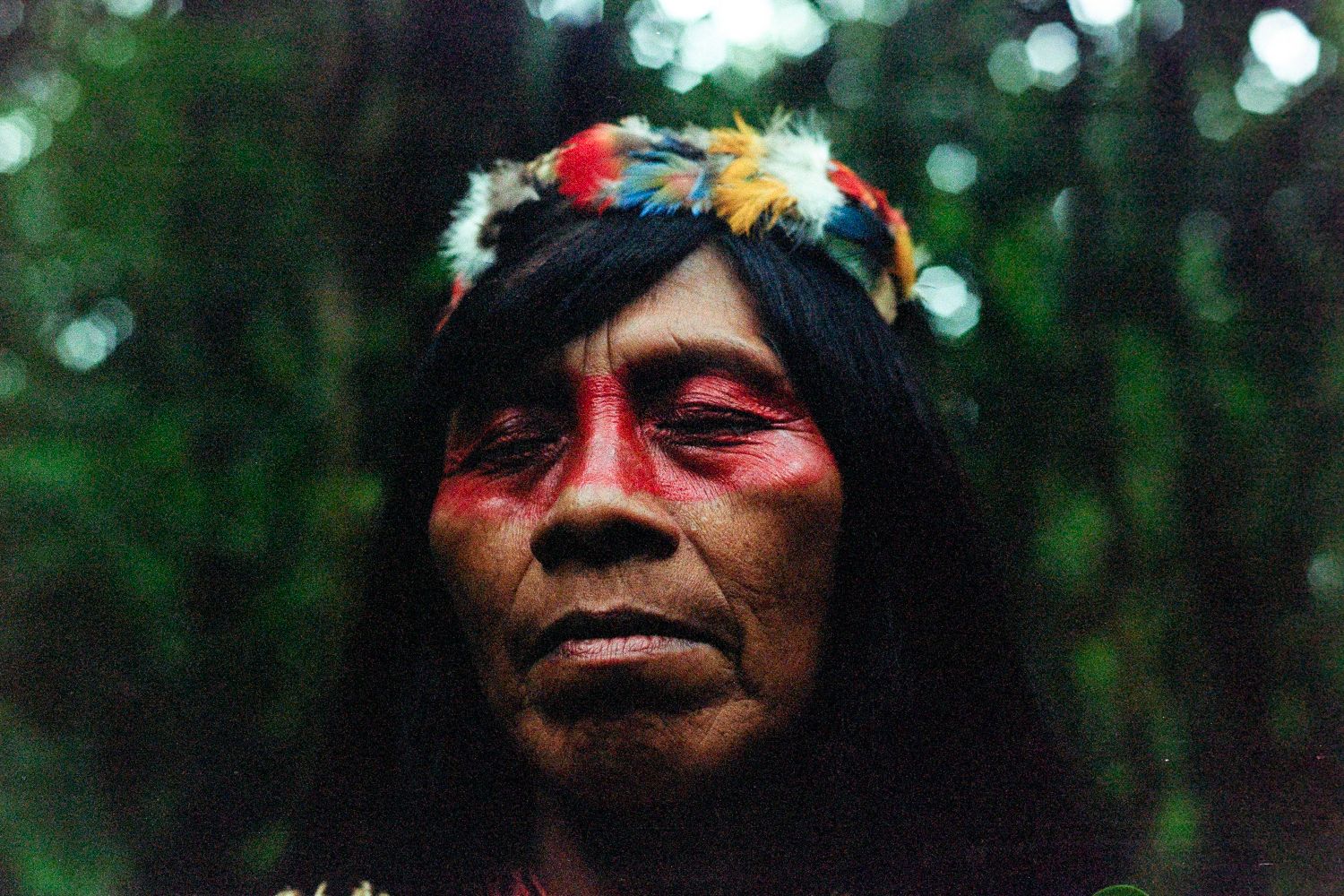
Veins of the Forest is a long-term collaborative photography project developed with Indigenous communities from Ecuador, exploring how relationships with territory, memory, and ancestral knowledge continue to shape responses to environmental change.
Between 2022 and 2023, I lived with Waorani communities while producing a documentary film, and later worked alongside Kichwa, Shuar, and Sapara people. Photography grew from long periods of listening, learning, and shared experience, shaped by Indigenous understandings of the forest as a living territory.
As the project has evolved, collaboration has become central to both the process and the work itself. Together with women from different Indigenous nations, I explore how images can carry stories of land, identity, and environmental stewardship across generations.
WHAT ARE YOUR HOPES AND FEARS AS A YOUNG PERSON IN A TIME OF ECOLOGICAL CRISIS?
I hope we can remember to care for the Earth and for each other in ways that are sustained, collective, and grounded in responsibility rather than extraction. I also hope that Indigenous knowledge systems are recognized as living practices that sustain long-term relationships with land, time, and community, leading to real structural change in how we relate to the environment. I fear that the ecological crisis will deepen existing inequalities, where those least responsible for environmental damage are the most affected. I also fear that “solutions” will reproduce extractive logics under new forms, and that clean water, breathable air, and biodiverse territories will continue to be lost as ecosystems are pushed beyond their limits. I expect policy-makers to move from abstract commitments to concrete protection of territories, enforcement of environmental laws, and recognition of Indigenous governance as central to ecological protection. On a personal level, I try to live as sustainably as possible, making conscious consumption choices, buying from local producers, and maintaining relationships based on reciprocity and care. I also try to remain attentive to the ethical implications of working across territories and cultures, and to act accordingly. For me, my art is a way of paying attention to relational forms of knowledge that are often overlooked. Photography becomes a tool to explore how ecological crisis transforms relationships between people, land, and memory.