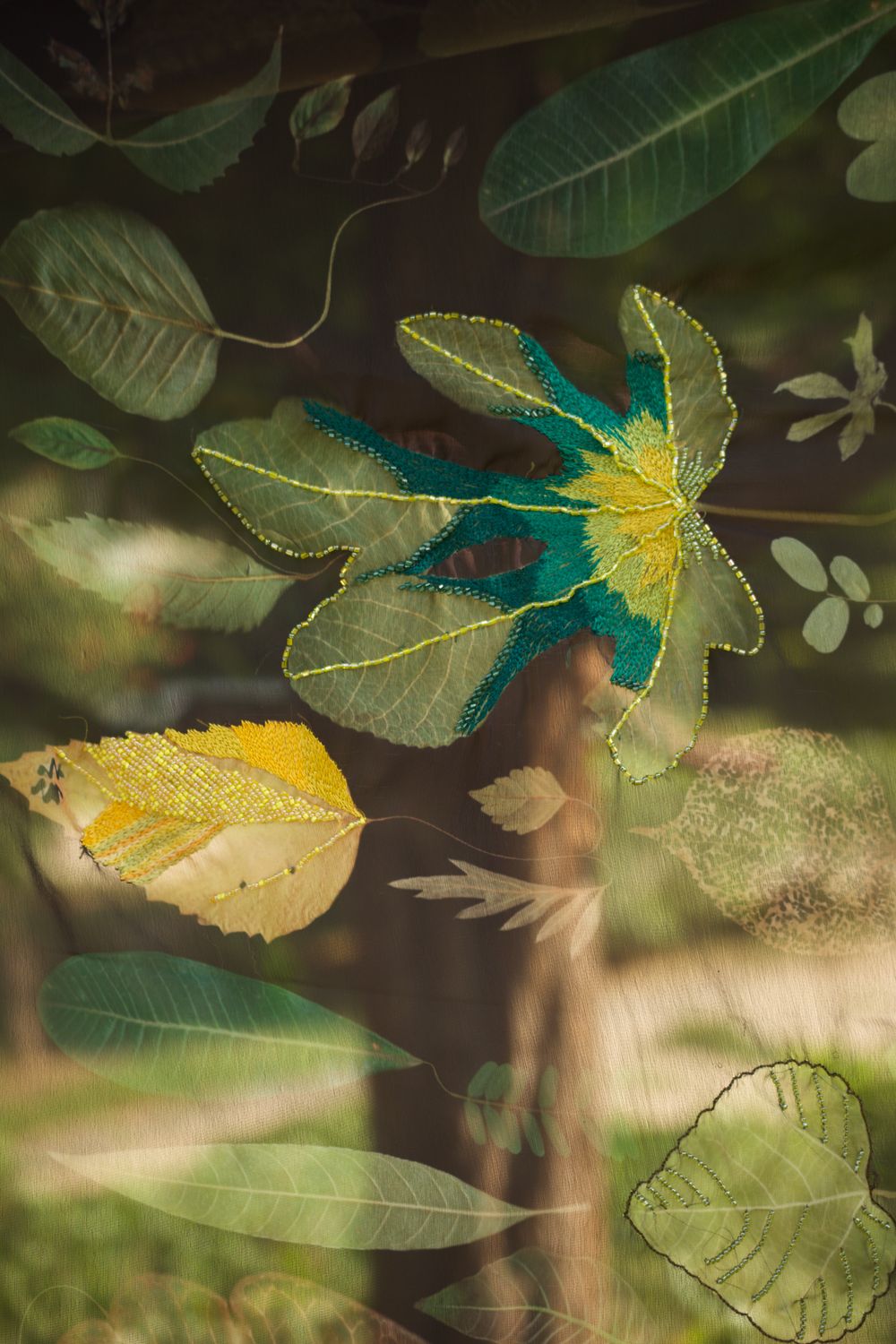
How do we approach plant intelligence not as an artefact of the past, but as instructions for the future?
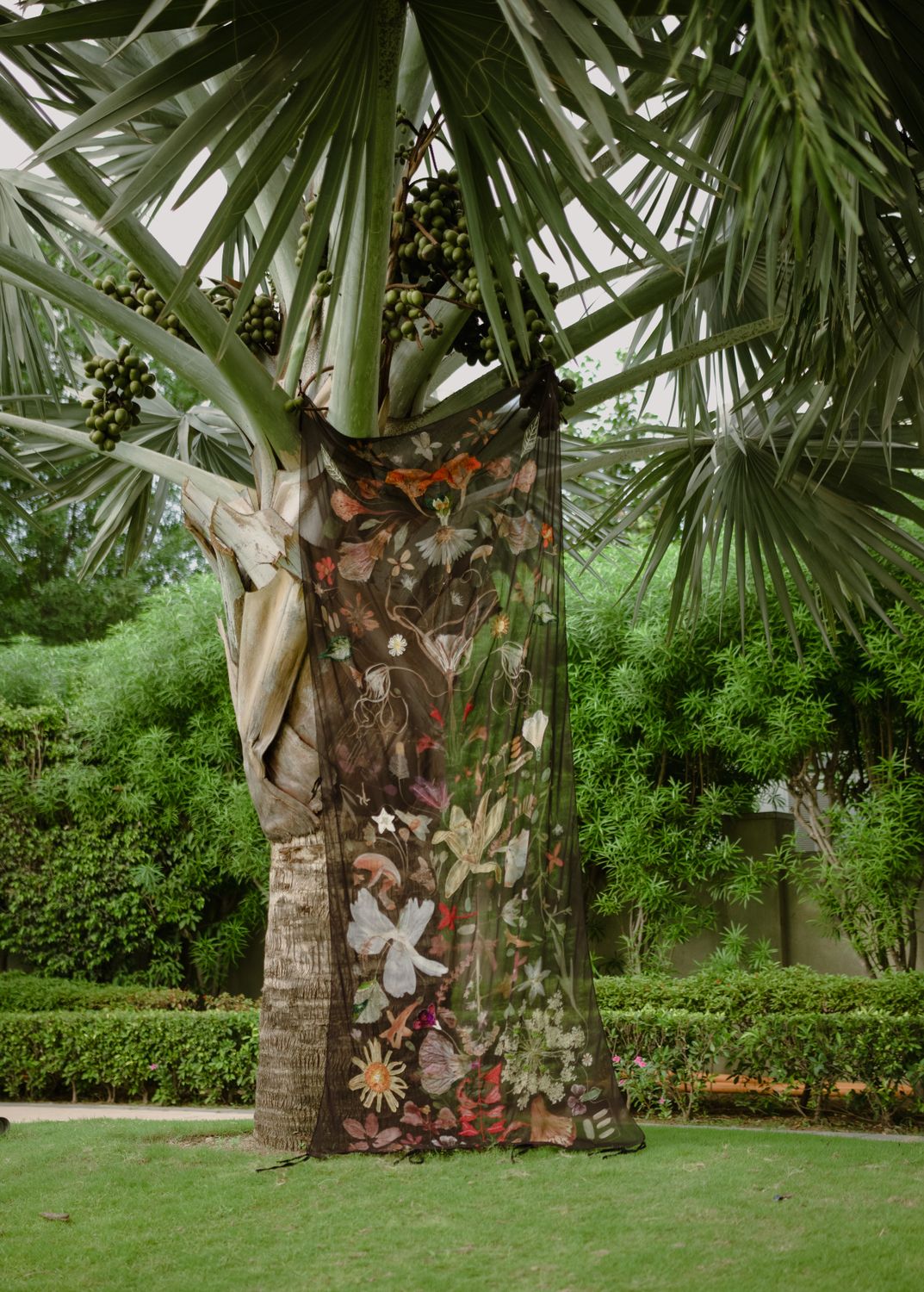
Grounded in an ethnobotanical study of the Aravalli Range in India, one of the oldest fold mountain systems in the world, The Earth Laughs in Flowers explores the relationship between indigenous plants and the communities that live alongside them.
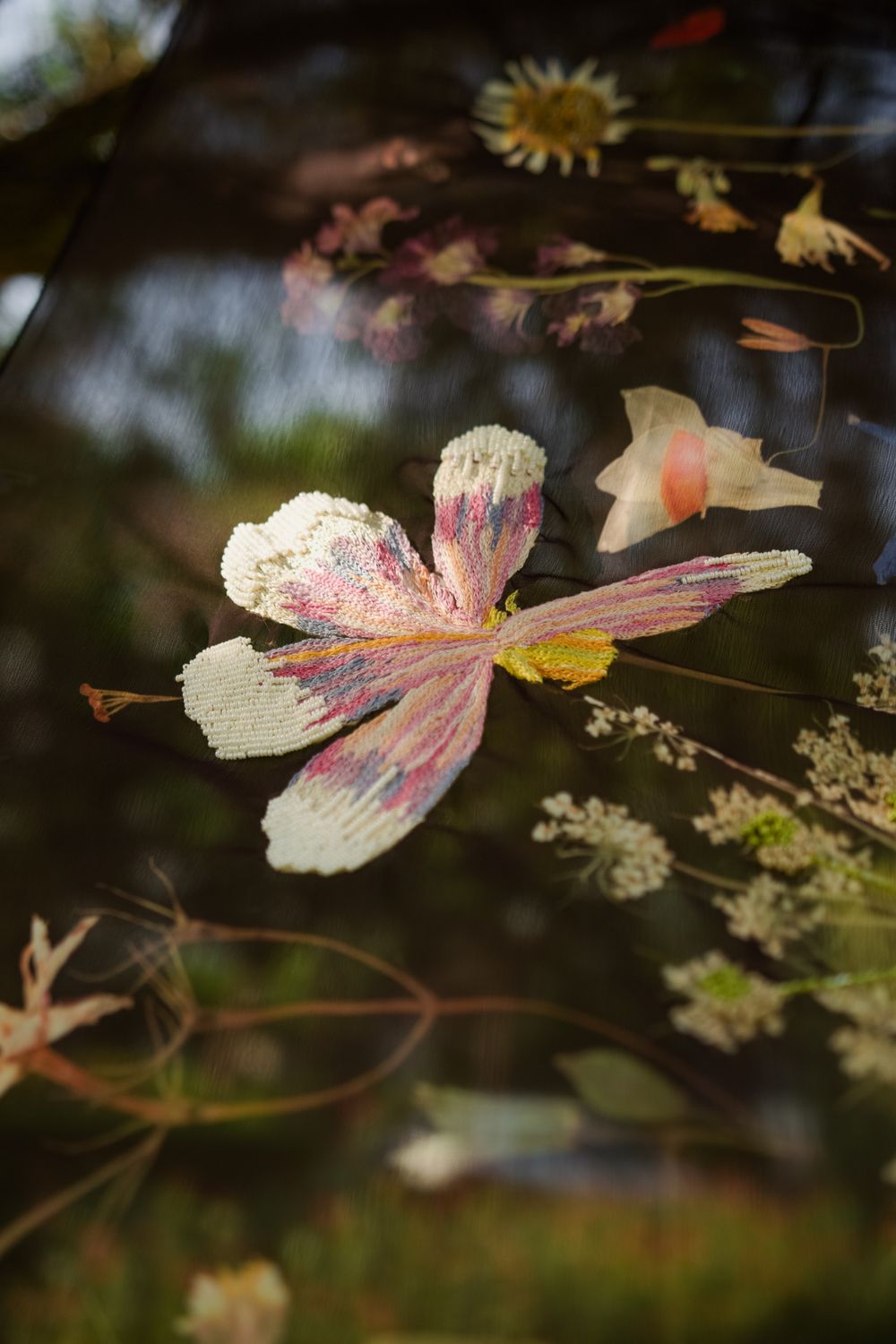
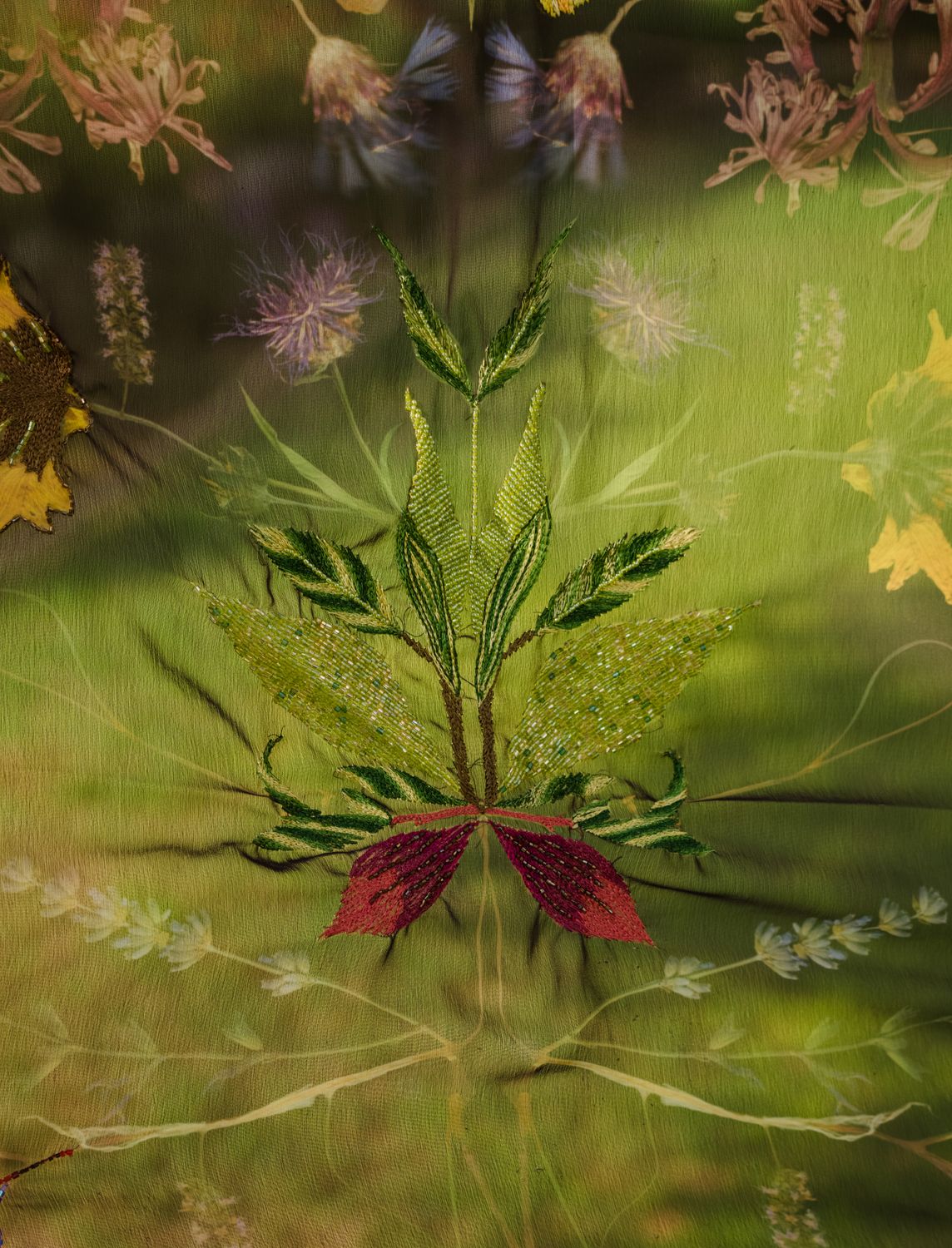
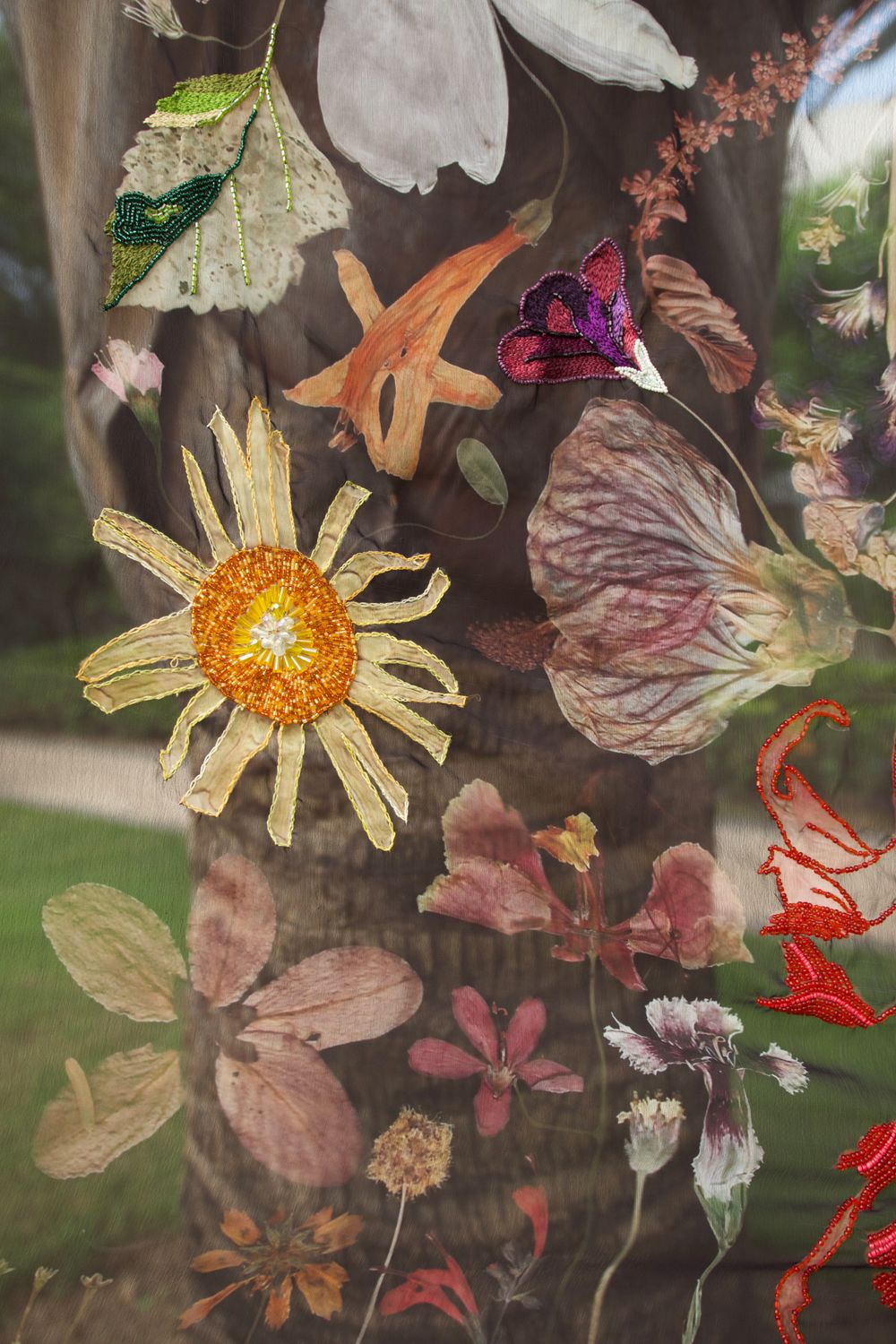
Mapping more than seventy indigenous and naturalized plant species of the Aravallis, The Earth Laughs in Flowers is a visual taxonomy of use, organizing flora not by ornamental beauty alone but by how they have sustained human life through nourishment, healing, pigments, and pollination.
Flowers of the Aravalli Range are presented as repositories of immense, often overlooked wisdom. Species such as dhok (Anogeissus pendula), which grows almost exclusively in this landscape, have long been used in folk medicine, timber, land regeneration, and survival during droughts. Others, like palash (Butea monosperma) and amaltas (Cassia fistula), have been used for natural dyeing, healing, and as vital pollinators for thousands of years.
Functioning as a living botanical archive, the installation reflects the biodiversity of the Aravallis at a moment of increasing erasure, insisting on attention to what remains rooted, what is being lost, and what still longs to be protected.
WHAT ARE YOUR HOPES AND FEARS AS A YOUNG PERSON IN A TIME OF ECOLOGICAL CRISIS?
Environmentalism is often communicated through the language of doom: images of catastrophe, extinction, pollution and collapse. While these realities must be acknowledged, I worry that communicating the ecological crisis only through fear can create paralysis, climate anxiety and a sense of helplessness. I believe ecological repair also begins with emotional reconnection. Through flowers and fibre, I try to make environmentalism feel joyful, alive and inviting rather than crisis-driven. I forage, observe, document and work with plants as a way of paying attention to our shared ecologies. To forage is to notice, to press is to give time a form, and to embroider is to trace a plant’s anatomy. My hope is that everyone has access to spaces where they can engage and develop this relationship with plants. We need to resist the idea that there is only one narrative available to us: one of inevitable collapse. There is room for grief, urgency and anger, but there must also be room for curiosity, pleasure, reciprocity and hope. My greatest fear is that we become so accustomed to ecological degradation that it becomes normal and we become desensitised to the global harm. My hope is almost the opposite: that we become more attentive. That we notice what is disappearing, but also what is still here.